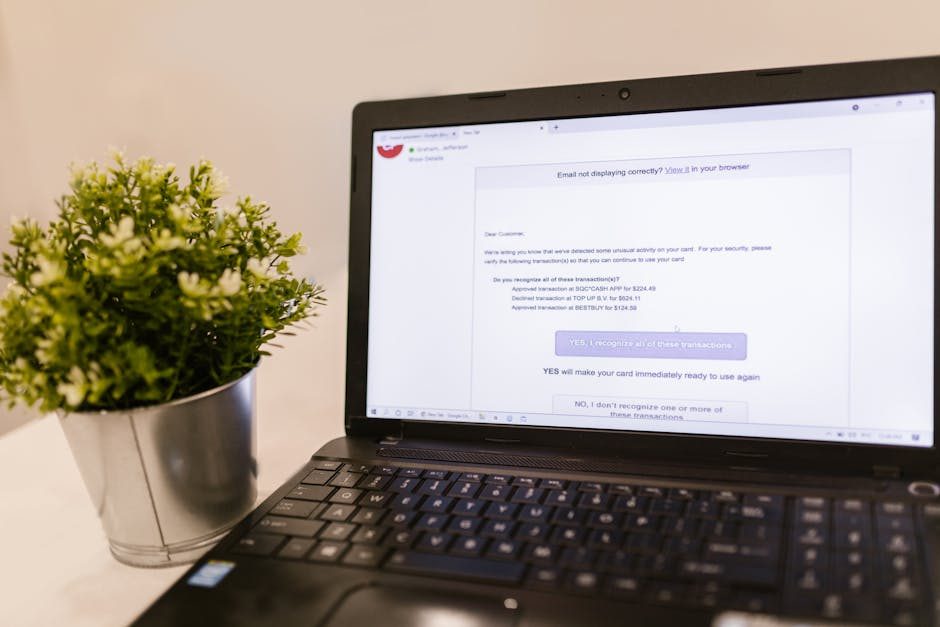
I’ve built a lot of email funnels over the years. Some worked beautifully, others flopped hard. The difference isn’t always the product or the list—it’s whether the funnel actually makes sense to the person receiving those emails.
Most small businesses treat their email list like a broadcast channel. They send a promotion, wait a few weeks, send another promotion, then wonder why their open rates tanked. That’s not a funnel. That’s just noise.
A real email funnel guides someone from “who are you?” to “yes, I want this.” Here’s how to build one that actually works.
What Even Is an Email Funnel?
An email funnel is an automated sequence of emails designed to move someone toward a specific action—usually making a purchase, but it could also be booking a call, signing up for a webinar, or joining a community.
The key word is “automated.” Once you set it up, it runs while you sleep. That’s the beauty of it for solopreneurs: you do the work once, and the system does the heavy lifting forever.
Most funnels have four main stages:
- Welcome – First impression, establishing trust
- Nurture – Building relationship, teaching something valuable
- Sales – Making the ask, presenting the offer
- Re-engagement – Winning back people who went cold
Let’s break each one down.
The Welcome Sequence: Your First Shot at Making an Impression
The welcome sequence is the most important part of your funnel. It sets the tone for everything that follows. If you mess this up, people will unsubscribe or mark you as spam before you even get a chance.
 Photo by Andrea Piacquadio on Pexels
Here’s what a solid welcome sequence looks like:
Email 1 (Day 0): Welcome and what to expect. This is where you thank them for joining, introduce yourself briefly, and set expectations. Tell them what kind of content they’ll get and how often. Be honest—if you’re going to email twice a week, say so. Overpromising and underdelivering is the fastest way to lose trust.
Email 2 (Day 2-3): Deliver your lead magnet or first piece of value. If they signed up for a checklist, ebook, or template, send it here. Don’t bury it in a wall of text—attach it or link it clearly. This email should be short and helpful.
Email 3 (Day 5-7): Share your story or your “why.” People buy from people they know and trust. A short, genuine explanation of why you do what you do goes a long way. Keep it conversational—not a corporate manifesto.
Email 4 (Day 10-14): Soft pitch. Mention your main offer without being pushy. This is where you start easing them toward the sale without hard-selling yet.
That said, not everyone needs a four-email welcome sequence. If you’re selling something simple or low-ticket, two or three emails might be enough. The key is giving value before asking for anything.
Nurture Emails: Where Most People Drop the Ball
Nurture emails are where the relationship deepens. You’ve captured their attention—now you need to keep it. This is also where most funnels fall apart, because people get bored or disappear for weeks at a time.
The secret to good nurture emails? Be useful. Don’t just update them on your latest offer. Teach them something, solve a problem, or share an insight they can’t get elsewhere.
Here’s a practical structure:
Content-first approach. 70% of your nurture emails should be pure value—tips, how-tos, stories, lessons learned. The other 30% can mention what you offer, but make it relevant to the content.
Consistency matters more than length. I’d rather get one short, helpful email every week than five long emails that feel like a chore to read. Find a rhythm you can sustain.
Segment by interest. If someone downloaded a guide about Instagram marketing, don’t send them emails about SEO. Use the data you have (what they downloaded, what links they clicked) to send relevant content. Most email tools make this easy with tags and automation.
Mix formats. Some weeks send a text-style email. Others send something more polished. Vary the format to keep things fresh. A short personal note from you can feel more genuine than a perfectly designed template.
The goal of nurture emails is to stay top-of-mind and build trust. You’re planting seeds that will pay off when they’re ready to buy.
The Sales Sequence: Making the Ask Without Being Pushy
This is where people get uncomfortable. They don’t want to seem “salesy.” But here’s the thing—a sales sequence is just a structured way to explain why someone should buy. If your product is genuinely good, you’re doing them a disservice by not making the case clearly.
Here’s how I structure a sales sequence:
Email 1: The problem-solution pitch. Identify a common problem your ideal customer faces, then position your offer as the solution. Don’t sell features—sell outcomes. Instead of “my course has 12 modules,” say “in 4 weeks, you’ll have a functioning email system that brings you leads while you sleep.”
Email 2: Social proof. Share a testimonial, case study, or result from a customer similar to them. If you can, mention specific numbers—“Sarah used this to double her email list in 60 days.”
Email 3: The bonus or urgency. This is where you give them a reason to act now rather than later. It could be a bonus, a discount, or simply a reminder that the offer won’t be available forever. Just don’t fake urgency—that’s a turn-off.
Email 4: The final call. One last email, short and clear. No tricks, no manipulative language. Just a simple recap of what you’re offering and how to get it. Then move on.
One thing I want to be clear about: your sales sequence should only go to people who haven’t bought yet. That’s what tagging and automation are for. If someone makes a purchase, they should exit the sales sequence immediately.
Re-Engagement: Win Back the Cold Subscribers
Not everyone who joins your list is going to buy. Some will just lose interest over time. That’s normal. But before you let them fade away, try to win them back.
A re-engagement campaign typically targets people who haven’t opened an email in 30-60 days. Here’s a simple approach:
Email 1: “We miss you” with a hook. Acknowledge they’ve been quiet, offer something valuable (a new piece of content, a discount, an invitation to ask you anything), and see if they engage.
Email 2 (if no response): A final email offering a clear way to stay connected—or an easy out. Sometimes people just need to be reminded why they signed up in the first place. Give them a reason to stick around or let them go gracefully.
The unsubscribe option. Always include an unsubscribe link. It sounds counterintuitive, but a list full of disengaged subscribers hurts your deliverability more than a smaller, engaged list does.
Tool Recommendations
You don’t need fancy software to build these funnels. Here’s my honest take on three popular options:
ActiveCampaign – Best if you want serious automation power. The visual automation builder is intuitive, and the CRM features mean you can track the whole customer journey in one place. Downsides: it has a learning curve, and the pricing adds up once your list grows. Great for people who want to build complex, multi-step funnels.
ConvertKit – Built for creators. The interface is clean, and it’s designed around the idea of building an audience first, then selling to them. Automation is straightforward without being overwhelming. It’s not as feature-rich as ActiveCampaign, but for most solopreneurs, that’s a feature, not a bug. Their landing pages are solid too.
Mailchimp – The classic choice. It’s been around forever, which means it’s familiar to a lot of people. The free plan is decent for beginners, and it integrates with just about everything. But honestly, the automation features feel clunky compared to ActiveCampaign and ConvertKit. Fine if you’re just starting out, but you’ll likely outgrow it.
All three can handle the funnel structure I’ve described. Pick based on where you are now, not where you think you’ll be in two years.
FAQ
How long should an email funnel run?
It depends on your business. For a low-ticket product, you might wrap up the sequence in 7-10 days. For higher-ticket offers with a longer sales cycle, 30-60 days is realistic. The key is making sure every email adds value—even the sales emails.
Should I test different funnels for different lead sources?
Yes, absolutely. Someone who found you through a podcast episode has a very different context than someone who downloaded a lead magnet about Instagram. Customizing your welcome sequence based on where they came from makes a big difference in conversions.
How often should I email my list?
This is the wrong question. The right question is: how often can I provide value? If you only have useful things to say once a month, email once a month. If you have weekly insights, weekly is fine. Just be consistent so people know what to expect.
What’s the most common mistake people make with email funnels?
Selling too fast. They’re so eager to make the first sale that they pitch before they’ve built any trust. The funnel breaks because there’s no relationship holding it together. Slow down. Give more value than you ask for.
Do I need to write every email myself?
Not necessarily. You can use templates, AI tools, or even hire a copywriter for key emails. But I’d recommend writing the welcome sequence and sales emails yourself—at least initially. Your voice matters, and templates often sound exactly like templates.
Building an email funnel isn’t complicated, but it does require some upfront work. The good news is that once it’s set up, it runs automatically. You’ll be converting leads while you focus on other parts of your business.
Start simple. Build your welcome sequence first, add a few nurture emails, then create a basic sales sequence. You can always expand from there.