
You need a website. You don’t have time to learn coding, and you definitely don’t have budget to hire a developer every time you want to change a headline. So you need a website builder that actually works for small business.
The problem? Every builder claims to be “perfect” for your use case. They’re all wrong for most people.
Here’s the truth: the best website builder depends on what you’re selling, how technical you are, and whether you plan to outgrow it in two years. Let’s break down the six most popular options so you can actually decide.
The Short Version
- Best overall for most small businesses: Squarespace
- Easiest for complete beginners: Wix
- If you need total design control: Webflow
- If you already know WordPress or want total ownership: WordPress
- Quick one-page sites: Carrd
- Design-forward and modern: Framer
Squarespace
Squarespace has become the default choice for small businesses that want something that looks professionally designed without hiring a designer. And honestly, they’ve earned it.
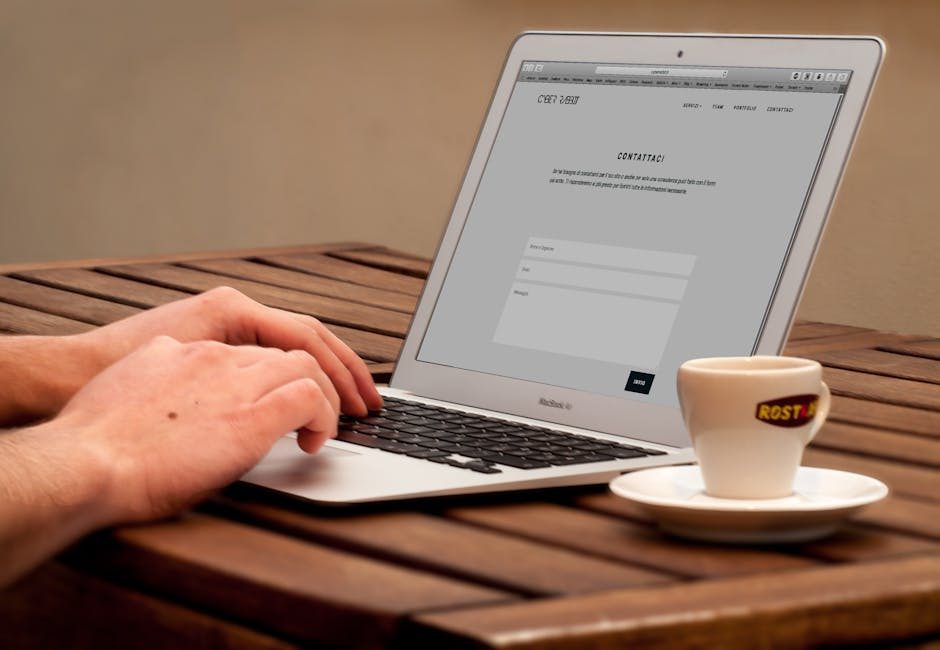 Photo by John Jackson on Pexels
What you get:
- Templates that don’t look like templates
- Built-in e-commerce (actually good, not an afterthought)
- Domain, hosting, SSL all included
- Mobile app to manage your site from anywhere
Pricing (2026):
- Personal: $16/month (annual)
- Business: $23/month
- Commerce Basic: $30/month
- Commerce Advanced: $46/month
The good: The design quality is consistent. You won’t accidentally build a site that looks 2015. Their e-commerce has gotten seriously good — inventory management, automatic taxes, customer accounts. The mobile app actually works, which sounds basic but many competitors fail here.
The not-so-good: You’re locked into their platform. Can’t add custom code without workarounds. The mobile editor is still limited — you’ll need a desktop to do serious updates. If you need a specific integration that isn’t in their App Store, you’re out of luck.
Best for: Photographers, restaurants, small retail, consultants, anyone who wants a beautiful site without touching code.
Wix
Wix has been around forever, and they’ve made it incredibly easy to build a website. Maybe too easy — you can end up with a site that looks like a Wix site. But for many businesses, that’s fine.
What you get:
- Massive template library
- ADI (Artificial Design Intelligence) that builds a site for you in minutes
- Full editor if you want more control
- App market for extensions
Pricing (2026):
- Starter: $17/month
- Core: $27/month
- Business: $37/month
- Business Elite: $52/month
The good: The ADI option is genuinely useful if you literally have no idea where to start. Drag-and-drop is intuitive. Good for simple sites that won’t need complex updates. There’s an app for almost anything.
The not-so-good: SEO has historically been a problem. Google’s said Wix sites rank fine, but many SEO pros still worry about URL structure and page speed. The editor can get messy on complex pages — everything’s positioned absolutely, which breaks easily on mobile. If you start with ADI and want to switch to the full editor later, you’re basically rebuilding. And yeah, you can’t really migrate away cleanly. Try Wix
Best for: Absolute beginners, very small businesses with simple needs, anyone who wants something online today.
Webflow
Webflow is for people who want the power of custom development without writing code. It’s become the go-to for designers, marketers who’ve outgrown Wix/Squarespace, and small agencies building client sites.
What you get:
- CMS that actually makes sense
- Designer with full visual control
- Membership and e-commerce features
- Export code if you ever want to leave
Pricing (2026):
- Basic (CMS): $19/month
- Business (CMS + e-commerce): $39/month
- Enterprise: Custom pricing
The good: You can build anything. The designer is powerful — think “Figma-like” controls but for websites. The CMS is flexible without being a headache. If you outgrow it, you can export your code and host anywhere. Many agencies use Webflow professionally because they can hand clients a site that’s easy to edit but looks custom.
The not-so-good: There’s a learning curve. Not as “throw something together in an afternoon” as Squarespace. Some features (membership, advanced e-commerce) add up quickly. Hosting isn’t the cheapest. If you don’t know what a “flexbox” is, you’ll need to learn.
Best for: People who’ve outgrown basic builders, agencies building for clients, anyone who wants design control without coding.
WordPress
WordPress powers something like 40% of the web. It’s not a “website builder” in the drag-and-drop sense — it’s a content management system that can become anything with the right plugins.
What you get:
- Total ownership of your data
- Thousands of themes and plugins
- Full control over hosting
- A massive community for help
Pricing (2026): Here’s where it gets complicated. WordPress.org (the self-hosted version) is free, but you need:
- Domain: ~$15/year
- Hosting: $5-30/month depending on provider
- Themes: $0-100 one-time
- Plugins: $0-300/year depending on what you need
Add it all up and you can do it cheap, or you can spend more than Squarespace.
The good: You’re in complete control. Want to add a custom feature? There’s probably a plugin. Want to change hosts? Take your site with you. It’s the only platform on this list where you truly own everything.
The not-so-good: You’re responsible for everything. Updates, security, backups, hosting issues — all on you. The admin interface hasn’t aged well. A “simple” WordPress site often needs a developer to set up properly. You’ll spend more time maintaining than creating.
Best for: People who already know WordPress, businesses that need very specific functionality, anyone comfortable with technical maintenance.
Carrd
Carrd is a one-page website builder. That’s it. And that’s the point.
What you get:
- Simple, responsive one-page sites
- Pro version adds custom domains and more pages
- Built-in forms
- Very fast load times
Pricing (2026):
- Free (Carrd branding, 3 sites)
- Pro: $19/year (no branding, custom domain, more sites)
The good: Simplest possible experience. You pick a theme, edit text, add a form, done. Sites are blazing fast because there’s nothing to slow them down. The $19/year pro plan is absurdly cheap for what you get.
The not-so-good: Very limited. If you need a blog, e-commerce, or anything beyond a landing page, Carrd won’t cut it. No multi-page sites in the free version. Don’t expect customer support — this is a solo developer’s passion project.
Best for: Link-in-bio pages, simple landing pages, freelancers who just need a “contact me” site, anyone who doesn’t need more than one page.
Framer
Framer started as a design tool, then added website building. If you want your site to look like it was designed in a design tool — because it was — Framer delivers.
What you get:
- Design-first interface
- CMS and e-commerce built in
- Free option (with Framer branding)
- Excellent animations and interactions
Pricing (2026):
- Free: branding, limited pages
- Pro: $15/month (no branding, custom domain)
- Pro + CMS: $23/month
- Pro + Ecommerce: $35/month
The good: The animations and interactions are beautiful out of the box. Sites feel modern and premium. Great for portfolios, agencies, anyone who cares about the “feel” of their site. The CMS has improved massively.
The not-so-good: Historically had reliability issues — downtime that frustrated users. That’s improved, but the reputation lingers. Editor can be finicky. Not as many integrations as Squarespace or Webflow. If you want to export and move elsewhere, you’re more limited than Webflow.
Best for: Designers, agencies, anyone prioritizing aesthetics and willing to deal with occasional quirks.
Which One Should You Choose?
Here’s my honest take: for most small businesses, Squarespace hits the sweet spot. It’s not the cheapest, but you get professional results without professional help, and it scales as your needs grow.
If you’re completely new to websites and want the fastest path to something online, Wix gets you there. Just know you’re locking yourself in.
If design matters more than convenience and you’re willing to learn, Webflow rewards that effort.
If you want total ownership and don’t mind maintaining things yourself, WordPress is the adult option.
For a simple landing page with zero budget, Carrd is unbeatable.
And if you want your site to feel like a design project rather than a business utility, try Framer.
Don’t overthink this. Pick one, start, ship your site. That’s always better than perfect.
Need help setting up your site? Check out our guides on automation tools that integrate with popular website builders.